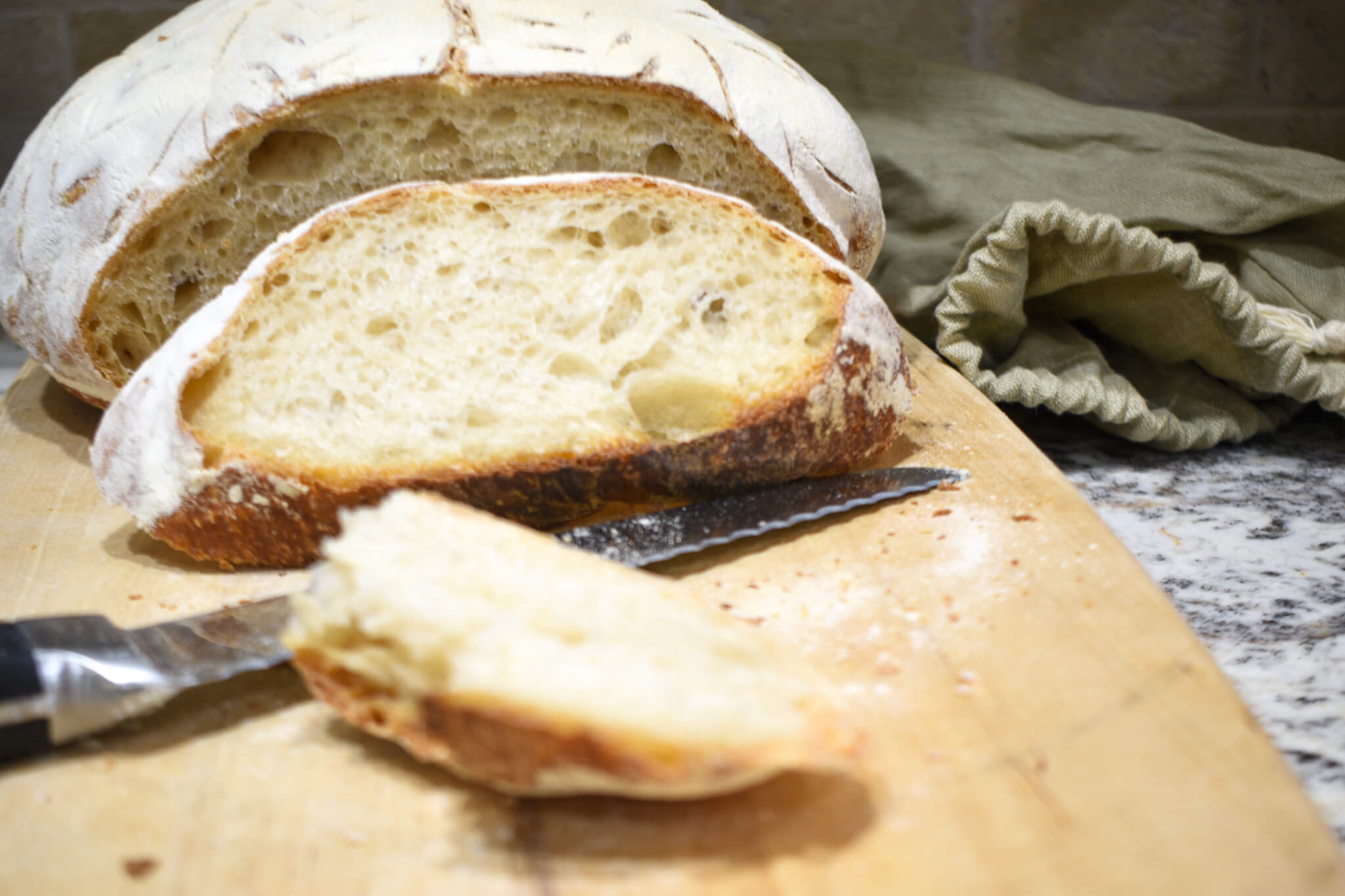
Whole Grain Sourdough:
Adjusting Hydration for a Better Loaf
Learn how whole grain flour changes water absorption and fermentation speed—and how to adjust your process at any percentage from 25% to 100%.
Why Whole Grain Flour Changes Everything
Whole grain flour is not just "flour with more fiber." The bran and germ it contains absorb water more aggressively than white bread flour, and they carry extra wild yeast and bacteria that speed up fermentation. Put those two things together and you get a dough that behaves quite differently from a standard white sourdough—it hydrates more slowly, ferments faster, and is less forgiving when you overshoot your bulk window.
That's not a reason to avoid it. Whole grain sourdough has a deeper, nuttier flavor, a more open crumb when handled right, and genuinely good nutrition that a white loaf can't match. This guide covers exactly what changes: choosing a flour ratio, dialing in water, and watching fermentation without over-relying on a clock.
Table of Contents
Where to Start: Choosing Your Whole Grain Percentage
Whole Wheat Flour
The most common choice. Absorbs water at a moderate pace. Standard hydration tables apply directly.
Whole Spelt Flour
More soluble gluten proteins. Absorbs water quickly; start 3–5% lower than standard wheat hydration.
Whole Rye Flour
Absorbs water the fastest and contains gummy pentosans. Use in small increments (under 25%) to maintain structure.
Hydration and Fermentation: The Technical Shift
To achieve a successful loaf, you must adjust your water based on the percentage of whole grains used. This technical baseline ensures your dough has enough moisture for the bran to soften without becoming a sticky mess.
Watching the Dough, Not the Clock: Because whole grains ferment faster, temperature control is vital. At a dough temperature of 78°F (25°C), your bulk fermentation may be 30–60 minutes shorter than an all-white loaf. Look for a 30-50% increase in volume rather than a doubling.
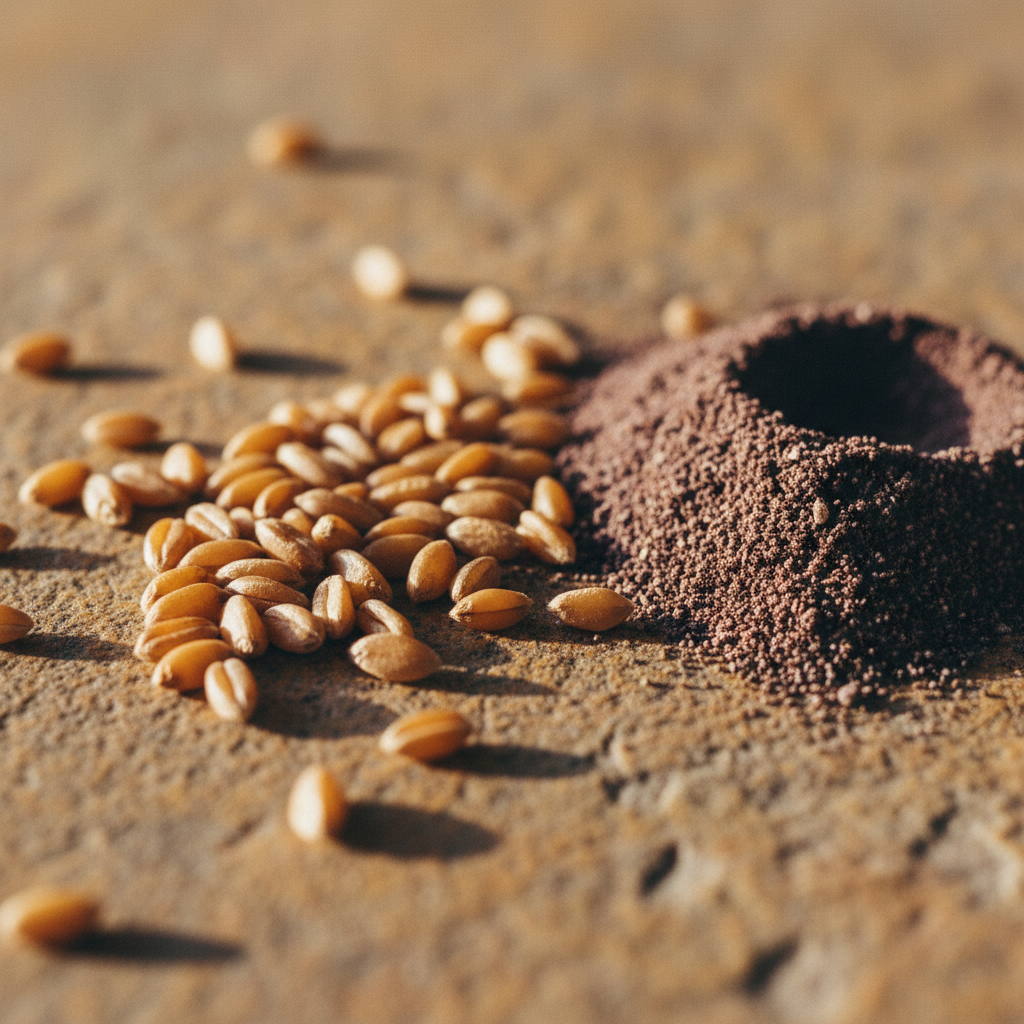
Technical Logbook — Hydration Reference
| Whole Grain % | Recommended Hydration Range |
|---|---|
| 25% Substitution | 75 – 78% |
| 50% Substitution | 80 – 82% |
| 100% Whole Grain | 85 – 90%+ |
Note: These ranges are starting points. Always reserve 5% of your water to "add as needed" during the initial mix based on your flour's unique thirst.
Master Your Sourdough Schedule
Ready to master your whole grain bakes? Get our free sourdough scheduling template and never miss a fermentation window again.
Join 5,000+ home bakers in The Rustic Bakehouse community.
Submit your email to receive the PDF template directly in your inbox.
Technical Q&A: Troubeshooting Whole Grains
Common challenges and precision solutions for the whole grain baker.
What internal temperature should whole grain sourdough reach?
205–210°F (96–99°C). The higher end is better for whole grain loaves, which hold moisture more stubbornly. Don't skip the thermometer—the crust on a dark whole grain loaf can look done while the center is still underbaked.
Can I make whole grain sourdough focaccia?
Yes! It's a great entry point. The flat format is forgiving of wetter, stickier dough. Use our sourdough focaccia guide with a 25–50% substitution.