Sproted Bread — Classification 001

What Is Sprouted Bread?

Sprouted bread is made from grains—wheat, rye, spelt, and others—that have been allowed to begin germinating before they are milled into flour. The grain is soaked in water, given time to sprout a small shoot, then dried and ground. That flour is what goes into the dough. It is not a shortcut or a marketing label; it describes a specific stage of the grain's life cycle at the point of milling.

If you have baked with whole wheat flour and wondered whether sprouted flour is just a fancier version of it, the short answer is: they are related but not the same. Whole wheat flour is milled from the complete, unsprouted kernel. Sprouted flour starts from a kernel that has already begun to change.
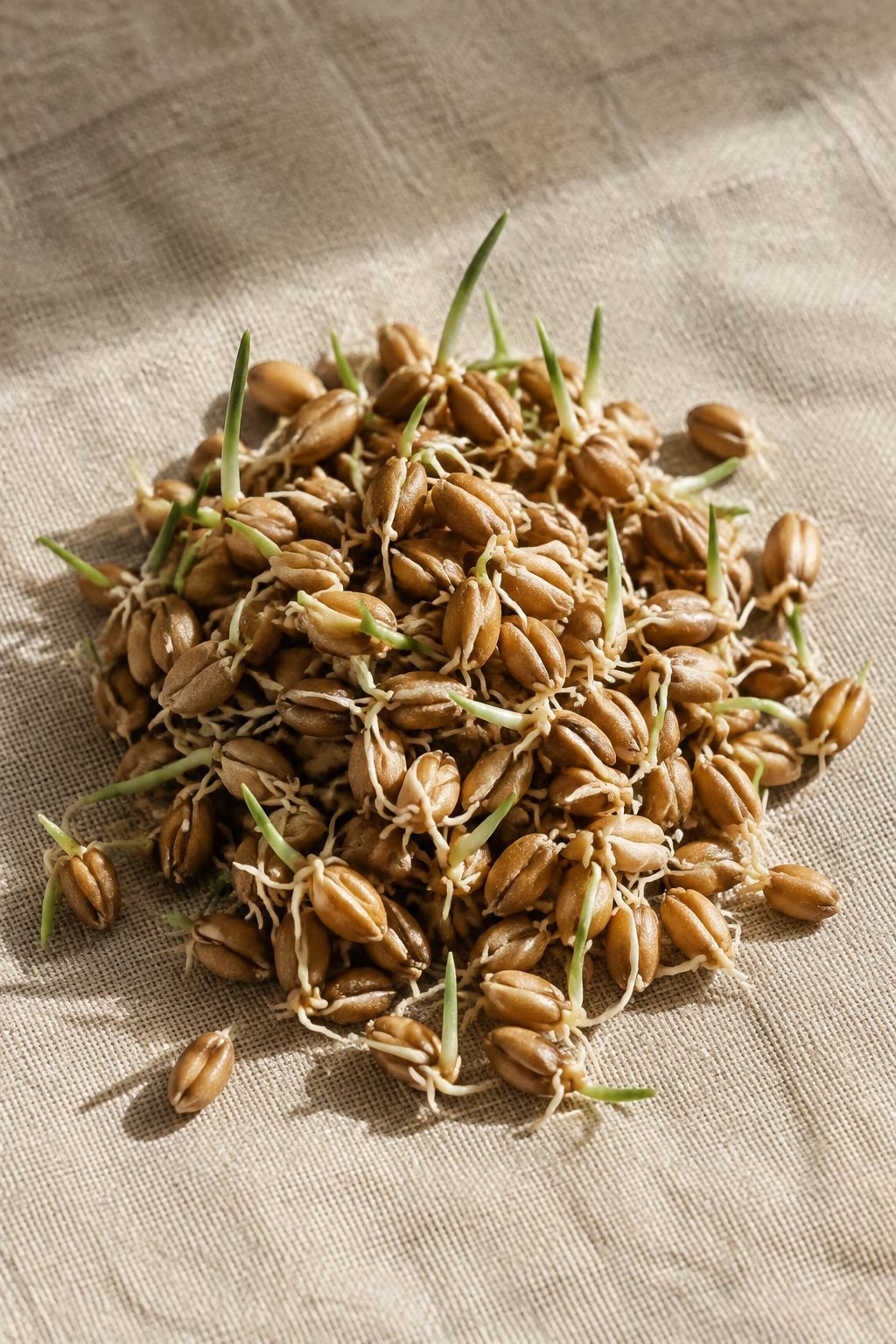
Editorial archival photograph of sprouted wheat berries
Germination Phase

How Sprouted Bread Differs From Whole Wheat and White Bread

Three loaves can sit side by side on a bakery shelf and look quite similar from the outside. Understanding what separates them starts with the flour.

CATEGORY 01

White Bread

Made from refined flour—the bran and germ have been removed, leaving mostly the starchy endosperm. The result is a soft, neutral crumb that handles predictably. It rises reliably because the gluten network is clean and uninterrupted.

CATEGORY 02

Whole Wheat Bread

Uses flour milled from the complete kernel. The bran interrupts gluten development—those sharp bran particles can cut through gluten strands—which is why whole wheat loaves are often denser. The flavor is nuttier and more complex.

CATEGORY 03 [ACTIVE ENZYMES]

Sprouted Bread

Takes the whole grain a step further. Because the grain has germinated, the enzymes that were dormant inside it have become active. They begin breaking down starches and proteins before milling. This means sprouted flour arrives at your bowl already partially transformed.

What to Expect When You Bake With Sprouted Flour

Switching to sprouted flour is not a one-to-one substitution. Here are the biological variables that matter most in the laboratory of your kitchen.

Water Absorption

Sprouted flour may feel like it takes up water quickly at the start but can end up producing a stickier or softer dough. Reduce hydration modestly compared to bread flour and adjust by tactile feel.

Gluten Development

Partially broken-down proteins mean the gluten network may be somewhat weaker. The dough requires a little more attention to folding during bulk fermentation and a gentler shaping touch.

Fermentation Speed

Active enzymes mean fermentation can move faster, and over-proofing is a real risk. Keep an eye on the dough's visual expansion and aeration rather than relying entirely on the clock.

Blending Strategy

Using 20–30% sprouted flour blended with high-protein bread flour is a useful way to maintain structural strength while introducing the unique flavor profile of the sprouted grain.

A Practical Approach to Baking Your First Sprouted Loaf

A reproducible sprouted bread bake does not require a completely different process—it requires attention to the variables that sprouted flour affects. Use this general framework to test and refine.

  1. 01

    Start with a blend.

    Use 20–30% sprouted flour and fill the remainder with bread flour to keep the gluten network strong while observing the changes.

  2. 02

    Mix and watch hydration.

    Start on the lower end of your typical range. Mix until cohesive, then assess before adding more water. Sprouted flour can produce a softer dough.

  3. 03

    Strengthen with folds.

    Use stretch-and-fold sets during bulk fermentation to build structure tactilely. Sprouted doughs benefit from this manual strength-building.

  4. 04

    Watch the dough, not the clock.

    Use visual and tactile cues—airy dough that passes the poke test—rather than treating the timeline as a fixed schedule.

"Specific temperatures and exact hydration percentages vary depending on your flour brand and kitchen climate. Your baking notes will fill in the missing variables."
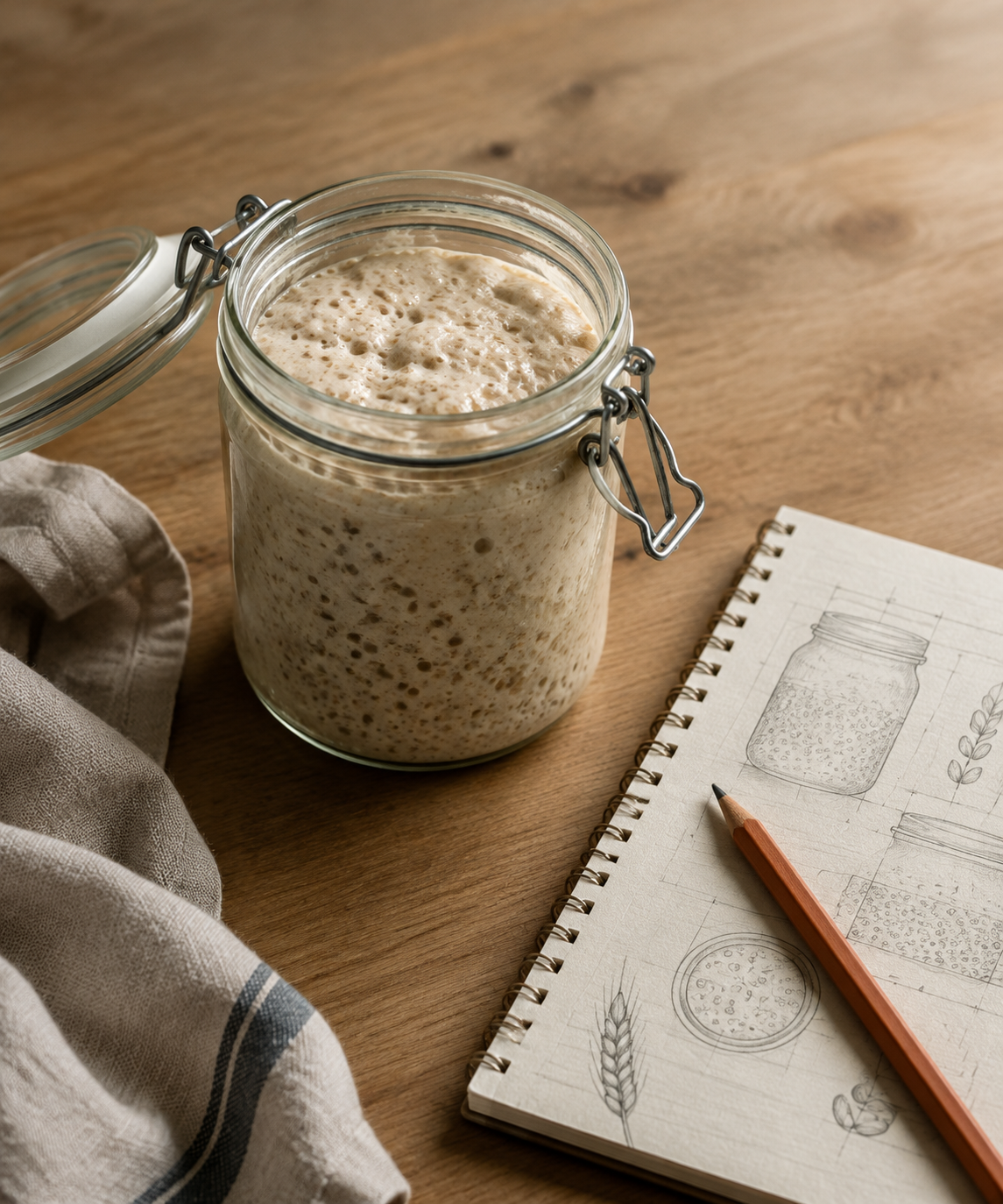
Baker's notebook with sprouted sourdough starter
Document every variable.

Common Questions About Sprouted Bread

Does sprouted bread taste different from whole wheat bread?

Many bakers describe sprouted bread as having a slightly milder, sweeter, or more complex flavor. The germination process converts some of the grain's starches, which can reduce some of the bitter or sharp notes sometimes associated with whole wheat.

Is sprouted bread healthier than regular bread?

The germination process breaks down some anti-nutrients like phytic acid. While it is a robust whole-grain product, we recommend consulting a registered dietitian for specific dietary decisions rather than relying on marketing copy.

Can I make sprouted bread with sourdough starter?

Yes, and many home bakers prefer this. Sourdough fermentation pairs naturally with sprouted flour. The key is staying attentive to fermentation speed, as active enzymes can accelerate the process.

My sprouted dough seems stickier than I expected. What should I do?

Stickiness is common early in the bake. Resist the temptation to add more flour at the bench. Instead, use wet hands or a bench scraper and let time and fold sets do the work.

Free baking tools

Compare Sprouted Flour Bakes

Use the local calculators to adjust hydration and timing as you compare batches. They run in your browser; no email address, account, or download is required.

More Recipes

Essential Guides